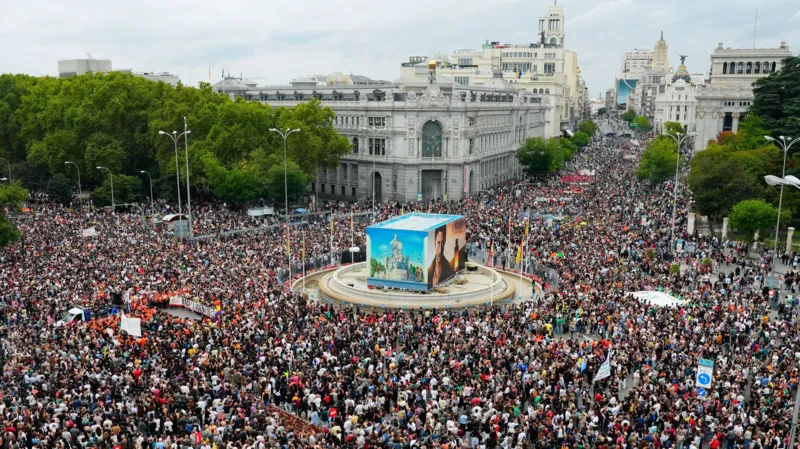


Demonstrations erupted in about 50 cities—Madrid, Barcelona, Valencia, and plenty more—with people demanding real protections for renters. They blamed the government for failing to deliver, after parliament shot down emergency housing measures that were supposed to help.
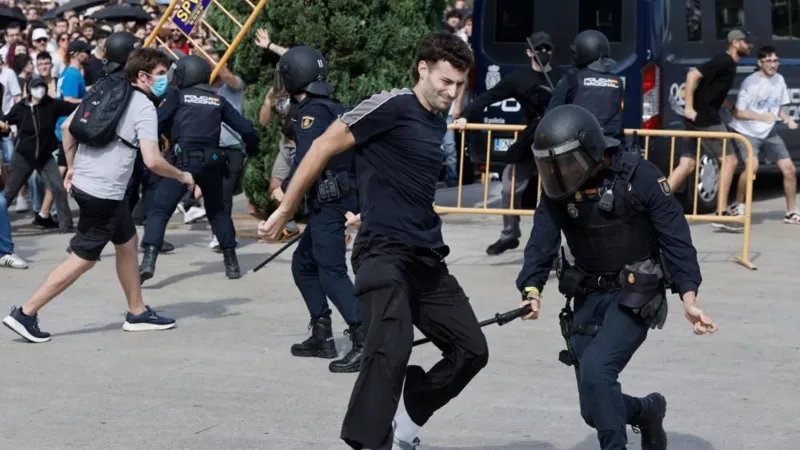
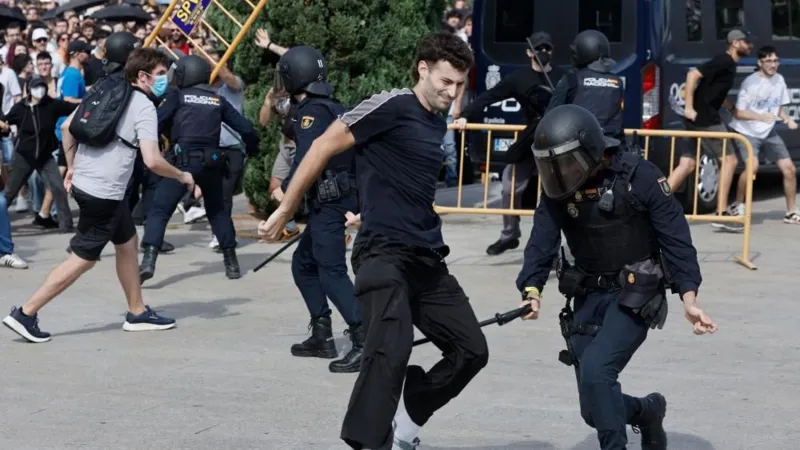
Things got heated in Valencia, especially near the Palau de les Arts Reina Sofía, where a real estate summit was happening. Protesters clashed with police, tossing barriers and throwing objects. The police fired back with rubber bullets. Nine officers got hurt, according to reports, and police arrested five people.
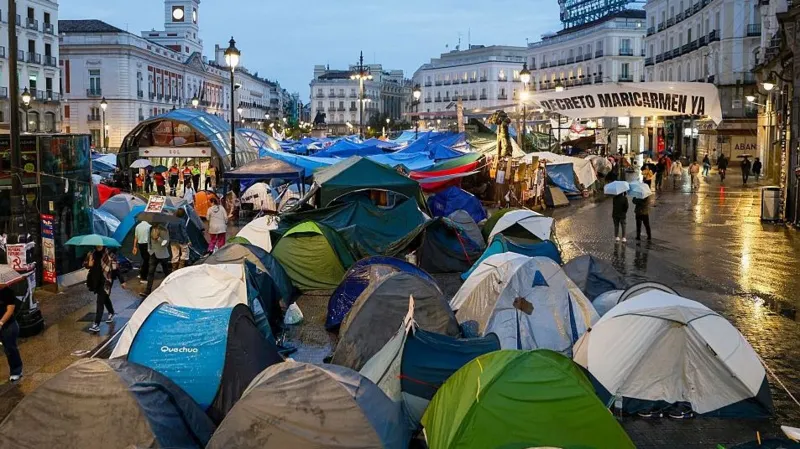
In Madrid, the crowds were massive. The city’s Tenants' Union claimed half a million people showed up, though officials said closer to 70,000 marched. Either way, the turnout was impossible to ignore—people waving their keys, chanting, holding signs slamming high rents and a broken system. Messages like “End rip-off rents” and “We want a future where young people can actually afford to live alone” were everywhere. Some demonstrators even set up camp in Puerta del Sol, a central square everyone knows.
“We’re not here for fun,” said David, one protester, speaking to RTVE. “We’re here because this matters.”
For young people, the crisis feels especially tough. Marcos Sainz, a 26-year-old librarian, used to split a two-bedroom apartment with friends for about €900 a month. Now, he says, it costs €1,000 just for a tiny one-bedroom. Living on your own is starting to feel out of reach—and Sainz said he plans to keep protesting until leaders stop talking and actually do something.
One event really poured fuel on the fire: the eviction of Maricarmen Abascal, an 87-year-old woman who couldn’t afford a big rent hike. Her story hit the news everywhere. It became a symbol of what vulnerable tenants are up against. After a national outcry, the landlord backed down, letting her return at a lower rent—but the protests didn’t stop. Tenant groups kept pushing: lower rents, tighter eviction rules, and stronger limits on big investment firms snapping up homes.
Meanwhile, the political pressure is intense. Prime Minister Pedro Sánchez and his left-wing coalition tried to push emergency measures through parliament—things like extending eviction bans for vulnerable renters until 2030, making rental agreements last longer, taxing tourist apartments more, and blocking investor purchases of homes. There was even a separate decree aiming to automatically extend rental agreements, popular among tenant groups and parts of the left.
But both sets of proposals failed. The first plan lost 178 to 172, the second by an even wider margin. The Socialists just don’t have the numbers in parliament; they need help from smaller parties, but conservatives and the far-right opposed the measures, and Catalonia’s center-right separatists refused to back them, too.
The defeats sent a clear signal: Sánchez’s grip on government looks shaky, and there’s talk he could be forced into calling early elections. Spain isn’t due to vote again until next summer, but if he can’t win over enough lawmakers, who knows how long his government can survive. Meanwhile, tenant groups say the current policies just don’t work—people are still getting priced out, and the so-called safety nets aren’t saving anyone. Madrid’s Tenants' Union warned things are only going to get worse and called for even broader action—a general strike isn’t off the table.
The atmosphere at the protests was tense, sometimes volatile. Police in Madrid detained three far-right members who tried to approach the crowd, some flashing Nazi salutes. The last thing anyone needed was more tension, but that’s what they got.
At the root of all this is a simple problem: there just aren’t enough homes. The Bank of Spain says the country is about 700,000 homes short, based on how many are needed versus what’s getting built. Prices keep shooting up. Over the past year, home prices jumped 12.2%. Rents aren’t far behind—according to Idealista, they rose 8.5% in 2025, and nearly 10% in Madrid alone. Barcelona and Madrid are still the most expensive places to rent, with average prices hitting €23.80 per square meter in Barcelona, and €22.70 in Madrid.
So yeah, this isn’t just a numbers game. Workers, young people, families, the elderly—everyone’s feeling the squeeze. The protesters say it all comes down to one thing: a home shouldn’t be just a way to make money; it’s a basic right.
The bottom line? Spain’s leaders haven’t delivered, and people are getting louder about it. With rents rising, too few homes, and politicians unable to fix it, Spain’s housing crisis is only getting harder to ignore—and it’s shaping up to be one of the country’s toughest battles, both on the streets and in parliament.